
Which AI Detector Is Strictest? GPTZero vs Turnitin vs Originality (2026)
Turnitin flags the most, GPTZero is the most balanced, and Originality is the most forgiving. Here is the 2026 data on each, plus the one thing they all miss.
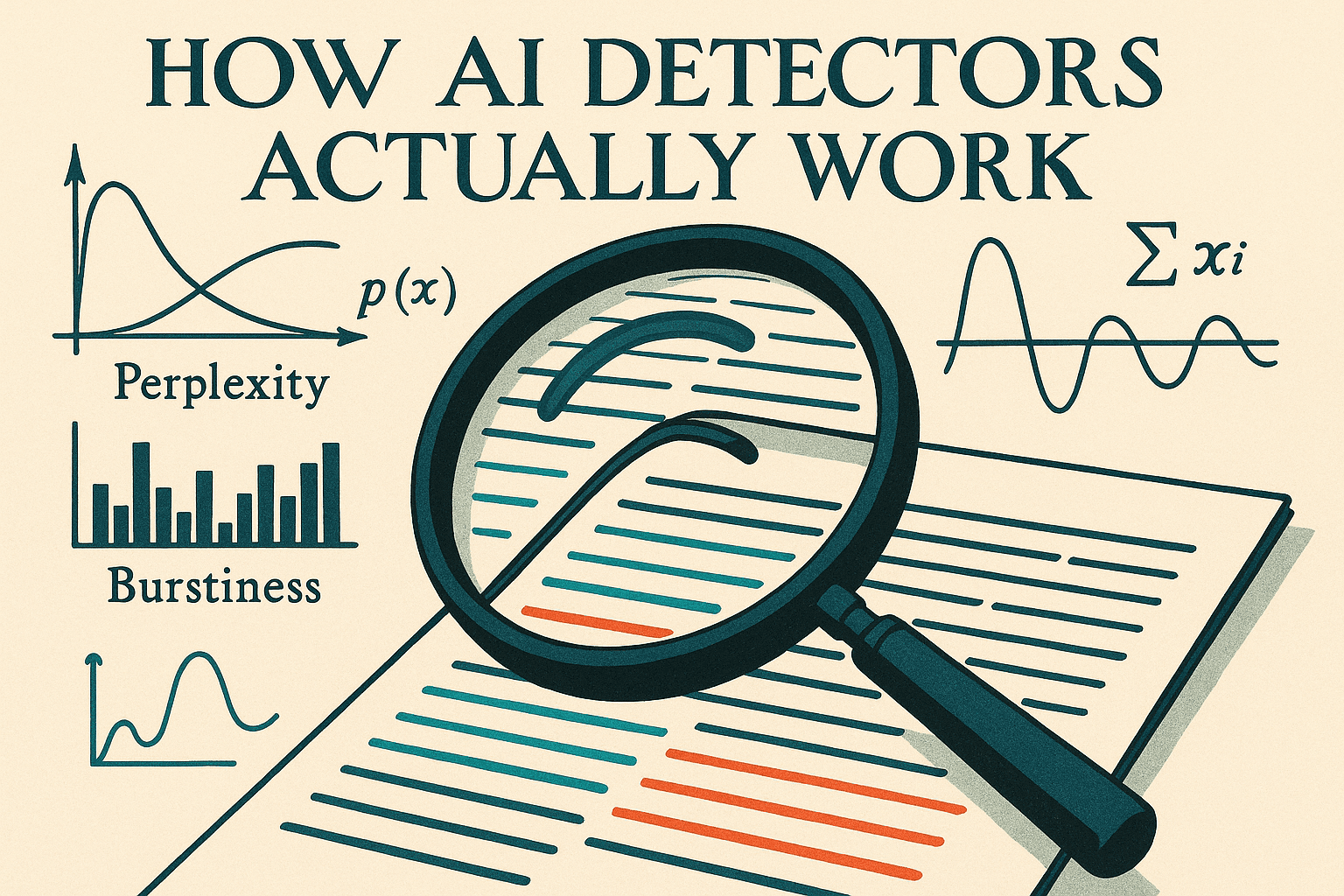
If you want the short answer, Turnitin is the strictest AI detector in 2026, GPTZero is the most balanced, and Originality is the most forgiving on clean student drafts. On raw AI text the three are close, catching somewhere between 92 and 96 percent in independent tests. The bigger story is the two things every detector shares. They all falsely flag some human writing, hitting non-native English writers hardest, and they all collapse on properly humanized text, catching less than one in ten. Strictness is real, but it is narrower and less reliable than the marketing suggests.
The comparison
Here is where the three main detectors land in 2026. The raw AI catch rate and the false-positive figures come from independent third-party benchmarks, not from the vendors themselves. The humanized-text row is the number that matters most if you are worried about detection, and it is low for all of them.
| Detector | Catches raw AI | False positives | Reputation |
|---|---|---|---|
| Turnitin | About 96 percent | About 3 to 7 percent | Strictest, flags the most |
| Originality.ai | About 94 percent | About 4 percent | Most forgiving on clean drafts |
| GPTZero | About 92 percent | 1 percent in our test, up to 9 to 10 percent on technical writing | Most balanced |
The gaps between them are smaller than the arguments about them. On a piece of raw, unedited AI text, all three are likely to catch it. The real differences show up at the edges, on paraphrased text, on humanized text, and on human writing that happens to read cleanly.
Which one flags the most
Turnitin is the strictest, which makes sense given who uses it. It is built for schools, and it is tuned to catch rather than to spare. That strictness cuts both ways. It catches more AI, and it also carries a real false-positive risk, especially on formal and non-native writing. If your work goes through Turnitin, assume it is the least forgiving of the three and write accordingly.
Originality.ai sits at the other end. Independent testing describes it as the most forgiving on clean student drafts, which is a polite way of saying it lets more borderline text through. GPTZero is the one most people can actually check their own writing against, since it has a public detector, and in practice it lands in the middle on strictness.
The false-positive tradeoff nobody advertises
Strictness has a cost, and the cost is falsely accused humans. Reported false-positive rates run from about 3 to 4 percent for Turnitin and Originality up to 9 to 10 percent for GPTZero on technical and academic writing. We ran our own check on GPTZero with 100 genuinely human paragraphs and it flagged only 1, a 1 percent rate, which tells you how much these numbers swing with the type of writing tested.
The averages also hide the group that pays the price. A 2023 Stanford study found detectors flagged 61.3 percent of essays by non-native English speakers as AI, versus 5.1 percent for US-born writers. A stricter detector does not just catch more AI. It wrongly accuses more careful and non-native writers too, and no vendor puts that on the landing page.
Vendor claims versus what tests find
Every detector advertises accuracy in the 92 to 99 percent range. Independent benchmarks consistently find a gap of 15 to 23 percentage points between those claims and real-world performance, especially once text is paraphrased or humanized. This is not unique to one brand. It is the pattern across the category. A number on a detector's own site is a best case measured on easy examples, not a promise about your specific document.
What this means for you
If you are a student, assume Turnitin is the strictest thing your work will face and that a clean, even writing style raises your false-positive risk even when the work is yours. If you are checking your own writing, GPTZero is the one you can actually use, so treat its score as a useful signal rather than a verdict. And if you are worried about detection in general, remember that every detector in these tests failed on properly humanized text, and that no single score should ever be treated as proof.
The bottom line
Turnitin flags the most, Originality the least, and GPTZero sits in between while being the only one you can check yourself. But the ranking matters less than the two things they share. They all wrongly flag some human writing, non-native writers most of all, and they all miss properly humanized text. Use these tools as signals, not as proof, and never let a single detector score make a decision that a person should be making.
Frequently asked questions
01Which AI detector is the strictest in 2026?
Turnitin is the strictest of the major detectors in 2026 independent benchmarks, catching around 96 percent of raw AI text, followed by Originality.ai near 94 percent and GPTZero near 92 percent. Turnitin is tuned to catch rather than to spare, which also gives it a real false-positive risk on formal and non-native writing. GPTZero is the most balanced and the only one with a public detector you can check your own writing against.
02Which AI detector is the most accurate?
It depends on what you measure. On raw AI text the three are close, from about 92 to 96 percent. On false positives, Turnitin and Originality report about 3 to 4 percent while GPTZero can reach 9 to 10 percent on technical writing, though we measured just 1 percent on 100 clean human paragraphs. No detector is reliably accurate on humanized text, where all of them fall to roughly 4 to 8 percent.
03Is Turnitin or GPTZero better at catching AI?
Turnitin catches slightly more raw AI, around 96 percent versus about 92 percent for GPTZero in independent tests, and it is considered the strictest. GPTZero is more balanced and is the one you can actually check your own work against, since it offers a public detector. Turnitin does not, so students usually cannot see their Turnitin result before submitting.
04Do AI detectors falsely flag human writing?
Yes. Reported false-positive rates range from about 3 to 4 percent for Turnitin and Originality up to 9 to 10 percent for GPTZero on technical writing. A 2023 Stanford study found detectors flagged 61.3 percent of non-native English essays as AI versus 5.1 percent for native writers. Clean, formal, and non-native writing carries the highest false-positive risk.
05Can any AI detector catch humanized text?
Not reliably. Independent 2026 benchmarks found detection of properly humanized AI text drops to roughly 4 to 8 percent across every major detector, including Turnitin, GPTZero, and Originality. Once text has been genuinely rewritten to vary its rhythm and word choice, the strictness ranking between detectors stops mattering much.
06Why do vendor accuracy claims differ from independent tests?
Vendors advertise accuracy of 92 to 99 percent measured on easy, raw AI examples. Independent benchmarks consistently find a gap of 15 to 23 percentage points once text is paraphrased or humanized. The advertised number is a best case, not a promise about your specific document, which is why a single detector score should never be treated as proof.